A Small Quebec Town Just Gave Trees Legal Rights
Terrasse-Vaudreuil, Quebec became the first town in Canada to recognize trees as living beings with legal rights — after three floods made residents rethink what their forest was really protecting them from.
ECOSYSTEM RESTORATION
How the idea reached the town council
The push for tree rights didn't start in a courtroom or a legislature. It started with a movie night.
A screening of Des arbres et des arts, a film by Quebec director André Desrochers, sparked a debate among residents about whether trees should be treated as living beings rather than objects. The town's environment committee picked up the idea and carried it to the council, where it passed without a single vote against it.
Now that the resolution is signed, Terrasse-Vaudreuil plans to review its existing rules so trees are protected — or replaced — whenever they have to be cut down. The town is also planning to give away free trees for residents to plant and run programs to explain why trees matter.
Part of a bigger legal shift
Trees aren't the first part of nature to get this kind of recognition in Quebec. In 2021, the Magpie River was granted legal personhood by the Innu Council of Ekuanitshit and a regional council, giving the river nine rights of its own.
Yenny Vega Cárdenas, president of the International Observatory of Nature's Rights, called the tree resolution a demonstration of what municipal governments can do when they commit to sustainable development. She said she hopes Terrasse-Vaudreuil "will be the first of many municipalities to commit to this path."
The idea of giving legal rights to something non-human might sound unusual, but Karine Peloffy, a lawyer with Ecojustice, points out that it already happens all the time — just not with living things.
"We know corporations have legal personhood and rights, and they are definitely not living," she said. "So if some nonliving things can have legal personhood, what's stopping living beings from equally getting legal personhood?"
The science backs the sentiment
Beyond the philosophy, there's a practical case for treating trees as infrastructure worth protecting. Research has shown that urban trees don't just cool the ground directly beneath them — they can lower temperatures and cut pollution on streets hundreds of meters away.
For a town that's already seen what happens when natural buffers disappear, that's not an abstract statistic. It's a reason to keep planting.
Why it matters
One small town's vote won't rewrite environmental law across Canada. But it adds Terrasse-Vaudreuil to a growing list of communities — from Quebec's Magpie River to municipalities around the world — testing whether giving nature legal standing changes how it gets treated.
If more towns follow, the shift could reshape how cities plan around trees: not as decoration to be removed when inconvenient, but as infrastructure with a legal claim to stay.
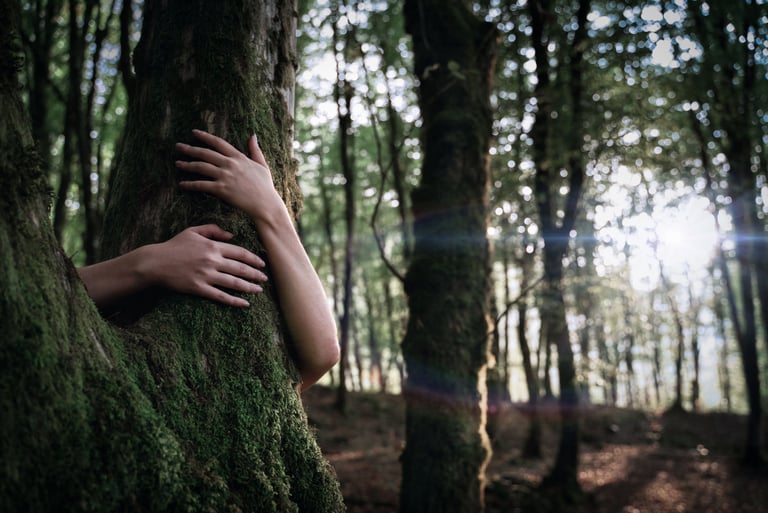
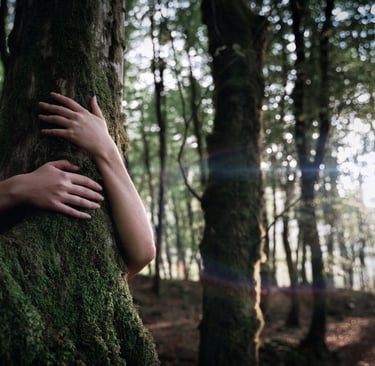
A town of about 2,000 people west of Montreal has become the first municipality in Canada to recognize trees as living beings with rights of their own.
On June 9, 2026, the town council of Terrasse-Vaudreuil voted — unanimously — to sign the Universal Declaration of the Rights of the Tree. It's a global petition that has collected more than 87,000 signatures since it launched in 2018. The resolution says trees deserve "the right to life, to natural growth, to integrity and to regeneration."
Why a small town started caring about tree rights
Terrasse-Vaudreuil isn't a place you'd expect to make legal history. It's a quiet community, and until recently, most residents probably thought of the trees around them as just trees.
That changed after three damaging floods hit the area in recent years. Suddenly, the forest wasn't just scenery. It was protection.
Mayor Michel Bourdeau put it simply in an interview with CBC News: "A tree is like a human being. It breathes, it lives, it takes in water. It protects us from all sorts of things."
He described the trees as "a true green infrastructure" — cooling the town in summer, filtering the air, managing stormwater, and giving local wildlife somewhere to live.
Nopolluting © 2026
Nopolluting is a sustainability media platform that is built to give sustainable businesses a voice. We use our platform and expertise to support entrepreneurs who are doing the hard work of building sustainable businesses and to help them communicate their impact to the world.
Entrepreneurs only
Subscribe to stay ahead with weekly tips on running a more efficient business
We care about your data in our privacy policy.